1. Check the building
Inside a home or unit, the team looks through closets, cabinets, bathrooms and anything that could hold sharps.
Dallas, PA · Luzerne County
Found a needle or syringe in Dallas? Stay back, keep children and pets away, and call (877) 812-4220. A cleanup team can search the area, collect every sharp and dispose of it safely.
If anyone is in danger, call 911 first. For a suicide crisis, call or text 988.
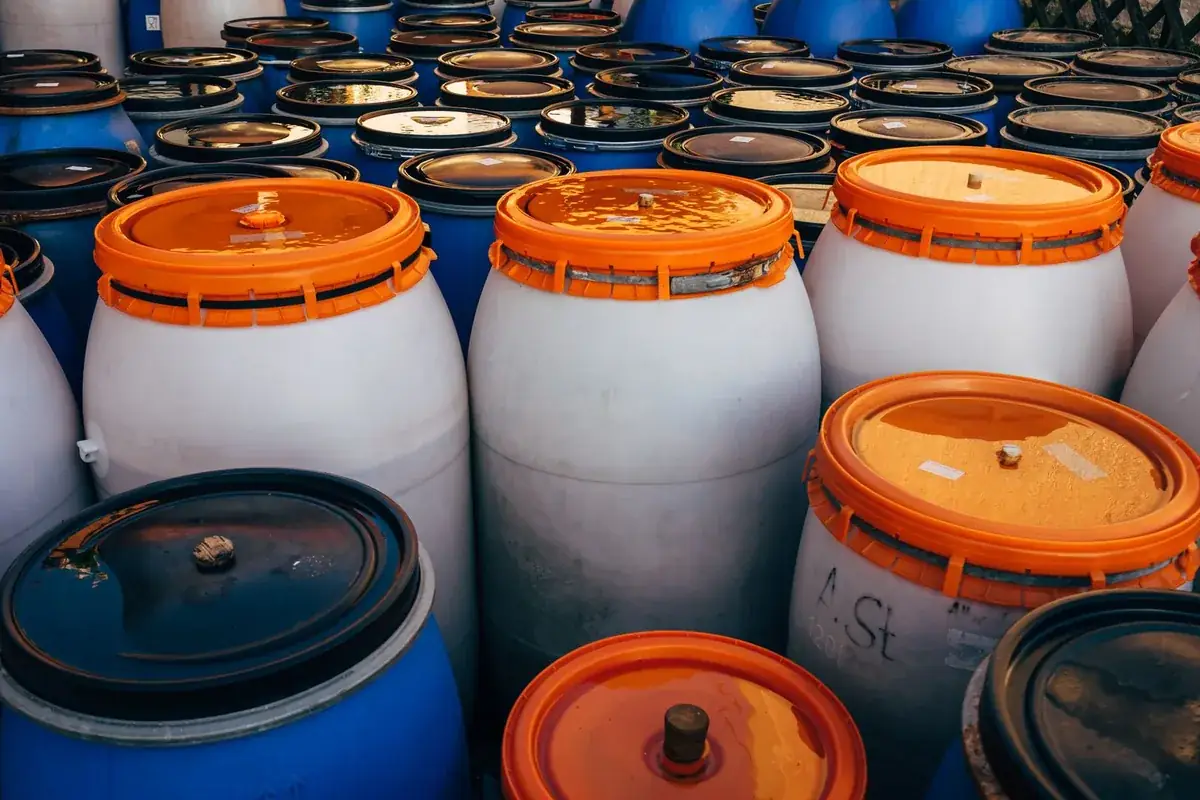
Sharps contamination happens when needles, blades or glass with possible blood on them are left where people can reach them. Cleanup includes collection, disinfecting nearby surfaces and sealed transport.
With help from Dallas Biohazard Cleanup Help, you get a local team in Dallas that knows sharps must never be touched barehanded. Crews contain the hazard, haul it away and clean the space across Luzerne County.
Most homes in Dallas are owner occupied, with renters at about 24% of households, so many needle calls come from families clearing a home or yard. A stick, cut or splash should be checked by a doctor without delay. Geisinger-community Medical Center in Scranton serves people in and around Dallas.
What needle & sharps cleanup covers:
Inside a home or unit, the team looks through closets, cabinets, bathrooms and anything that could hold sharps.
The team moves in a set pattern so no section is skipped, since a single missed needle is still a hazard.
Needles, syringes and any other sharps are gathered and sealed as they are found.
The area is cleaned, searched a second time and handed back to the owner.
The cost of needle & sharps cleanup in Dallas, PA depends on the amount of material, how it is packed and how it is hauled.
Timing can matter. A same-day need near a school or play area may be scheduled differently from a sweep planned for next week.
| Type of job | Typical range |
|---|
These ranges come from published cost guides () and are not a quote for Dallas. Price drivers include number of items, where they are found, whether a sweep of a large area is needed, waste disposal. For a real number, call (877) 812-4220.
A used needle can carry bloodborne pathogens such as hepatitis B, hepatitis C and HIV. The chance of infection from one stick depends on many things, and a doctor can explain what applies. Get medical care promptly after any stick or cut.
Loose needles should not go in household trash, because they can stab sanitation workers. Rules for small amounts of household sharps vary by city and county. The local health department can say what is allowed, and a cleanup team can take larger amounts.
A local biohazard cleanup team can search the area and remove needles and other sharps. Some cities and health departments also help with found needles on public land. For a single needle outdoors, the health department is a good first call, and for anything bigger, a cleanup team.
Sometimes. Some homeowners and renters policies cover cleanup after a covered event, and many do not cover needles on their own. Call your insurance company before work starts, take photos from a safe spot, and keep every receipt. Check your policy rather than assuming.
Lease terms and local law decide. A landlord, an attorney or a tenant rights group can say who is responsible. In many cases the property owner books the sweep first so the unit can be used again, and the cost is sorted out afterward.
It is a rigid, puncture-resistant box with a locking lid, made to hold needles, syringes, lancets and blades. Cleanup teams use them to seal sharps for transport. Containers should not be overfilled or opened again once locked.
Describe what you saw and where, and the team will explain the next step.
Call (877) 812-4220